
Hold on to your hats, folks, because the AI landscape just tilted on its axis! Amazon's massive $38 billion deal with OpenAI isn't just another cloud computing contract; it's a seismic shift, a declaration that the future of AI is about to become a whole lot more democratized. For years, Microsoft has been the undisputed king of OpenAI's compute, the bedrock upon which ChatGPT and all its wonders were built. But now? Now, the playing field is leveling, and that's incredibly exciting.
This isn't just about Amazon getting a piece of the OpenAI pie; it's about unlocking the potential of AI for everyone. Think of it like this: Microsoft was the single, powerful printing press of the early AI revolution. Now, Amazon is building a network of printing presses, ready to spread the word—or, in this case, the algorithms—far and wide.
What does this mean in practice? It means more companies, more researchers, and more individuals will have access to the raw computational power needed to build and train cutting-edge AI models. We're talking about hundreds of thousands of Nvidia GPUs humming away in Amazon's data centers, ready to tackle everything from powering ChatGPT's real-time responses to training the next generation of frontier models. Amazon is even building an $11 billion data center campus in Indiana exclusively for AI workloads! The implications are staggering.
I mean, just imagine the possibilities! Smaller startups, previously priced out of the AI arms race, can now compete. Educational institutions can accelerate their research. And individuals, the garage tinkerers of tomorrow, can start building AI-powered solutions to problems we haven't even conceived of yet. It is a really big deal.
The folks at Amazon are clearly thrilled. AWS CEO Matt Garman said the deal highlights why AWS is "uniquely positioned to support OpenAI's vast AI workloads." But I think it's even bigger than that. This deal isn't just about supporting OpenAI; it's about building the infrastructure for an entire AI ecosystem. Amazon closes at record after $38 billion OpenAI deal with AWS
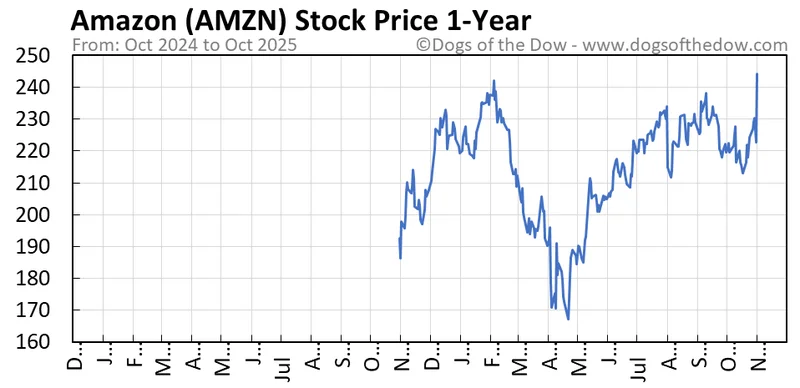
Of course, there are valid concerns about the sheer scale of these AI buildout agreements. Some skeptics are warning of an "AI bubble," questioning whether we even have the power and resources to fuel these ambitious projects. But I see it differently. I see it as a challenge, an opportunity to push the boundaries of innovation and find new, sustainable ways to power our digital future.
And let's not forget the ethical considerations. With great power comes great responsibility, and as AI becomes more accessible, it's crucial that we address the potential risks and ensure that these technologies are used for good. We need to be mindful of bias, privacy, and the potential for misuse. It is not just about technological advancement, but also about ethical guidance.
But I am an optimist. When I read about OpenAI's Sam Altman reaffirming his commitment to purchase $250 billion of Azure services, it just further cemented my belief that the future of AI is not about one company or one platform dominating the landscape. It's about collaboration, competition, and a shared vision of a future where AI empowers us all.
As one insightful Redditor commented, "This is a smart move by OpenAI. Diversifying their cloud providers reduces risk and gives them more leverage in negotiations." That's the kind of thinking that excites me – a community actively engaged in shaping the future of AI.