
The streaming wars just claimed another casualty, and this time it's your access to primetime TV. YouTube TV subscribers are reeling from the loss of Disney-owned channels – ABC, ESPN, FX, National Geographic – due to a contract dispute. That means no Monday Night Football, no Abbott Elementary, and a weekend devoid of college football for many. But before you panic and revert to cable, let's dissect the alternatives and see if they actually add up.
The immediate impact is clear: YouTube TV users are down some key channels. But the knee-jerk reaction to switch might not be the most rational. Let's look at the numbers. Fubo is throwing around a $30 discount for new subscribers on their Pro and Elite plans, bringing the monthly cost down to $54.99 and $74.99, respectively. They're also dangling a one-week free trial. Sling TV is pushing short-term passes – day, weekend, or week-long – and ESPN Unlimited is entering the fray with two options: $29.99/month or $299.99/year for "Unlimited," and $12.99/month or $129.99/year for "Select."
The question is: what are you actually getting for your money? Fubo boasts over 200 live channels, including ESPN, FOX, and local networks. Sling offers ESPN, ESPN2, and ESPN3 (ABC available in select markets). ESPN Unlimited gets you the whole ESPN family, plus ABC sports content, ESPN+, ESPN3, SECN+, and ACCNX.
Here's where things get interesting. Fubo's "unlimited cloud DVR" sounds impressive, but how much are you actually recording? (And how long are you actually watching it before it gets buried under more content?) Sling's short-term passes offer flexibility, but the cost per day could quickly exceed a monthly subscription if you're a heavy user. And ESPN Unlimited, while comprehensive, is significantly more expensive than ESPN Select – but are the extra channels actually worth the price jump?
I've seen this play out before. Companies love to tout "unlimited" features, but the reality is that most users don't even scratch the surface of what's offered. It's a classic psychological trick to make you feel like you're getting a better deal, even if you're not.
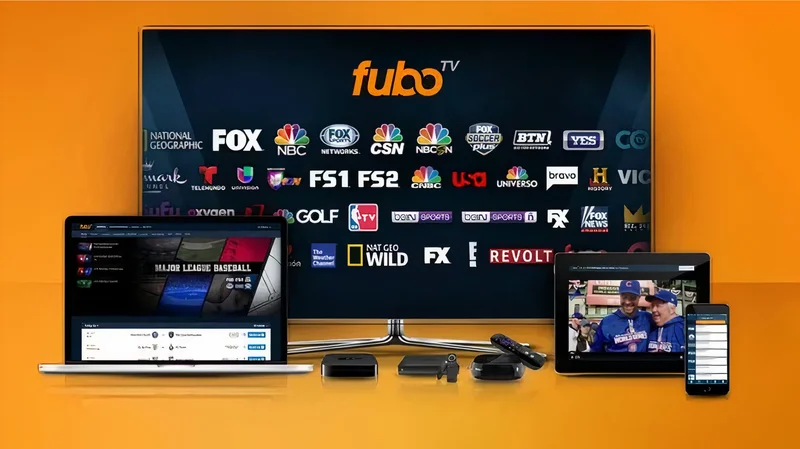
Let's break down the true cost. Switching to Fubo's Pro plan at $54.99/month (after the discount) means an annual cost of $659.88. Sling TV's pricing is more variable depending on the passes you choose, but even a basic monthly package will likely run you several hundred dollars a year. ESPN Unlimited, at $299.99 annually, seems competitive – until you realize it's only ESPN. If you want ABC, FX, and National Geographic, you're back to needing another service.
The key is to analyze your viewing habits. How often do you actually watch the channels you're losing on YouTube TV? If it's only for Monday Night Football, a Sling weekend pass might be the most cost-effective solution. If you're a die-hard college football fan, ESPN Unlimited might be worth the investment. But for the average viewer who only watches a few shows a week, sticking with YouTube TV and finding alternative ways to access those specific programs might be the smarter move. One option is to stream ESPN, ABC and more without YouTube TV, as How to stream ESPN, ABC and more without YouTube TV suggests.
And this is the part of the report that I find genuinely puzzling: why are these streaming services constantly locked in these contract disputes? It feels like a game of chicken, where the viewers are the ones who ultimately suffer. The constant channel shuffling and price hikes are eroding the value proposition of streaming.
One potential solution that I haven't seen mentioned yet is rotating subscriptions. Instead of committing to one service for the entire year, subscribe to different services for a month or two at a time, depending on what content you want to watch. This requires a bit more effort, but could save you money in the long run.
The streaming landscape is a complex web of competing services, each vying for your attention and your dollars. The loss of Disney-owned channels on YouTube TV is a reminder that these services are not as stable or reliable as traditional cable. Before jumping ship to another streaming service, take a hard look at your viewing habits and do the math. The "best" option is the one that provides the content you want at the lowest actual cost. Don't fall for the marketing hype.
The cord-cutting dream of cheaper, more flexible TV is slowly morphing into a fragmented, expensive nightmare. It's time to stop blindly following the herd and start making data-driven decisions about your streaming subscriptions.